Year-Round Ant Prevention for Arizona Residents
Ants love Arizona. In fact, in our area, the weather rarely gets cold enough to slow them down, which is why it’s so important to stay on top of ant prevention all year long! But ant prevention methods vary depending on the type of ant you’re dealing with in your Arizona home. Here are a few facts that should help you stay on top of your ant prevention efforts!
Carpenter Ants
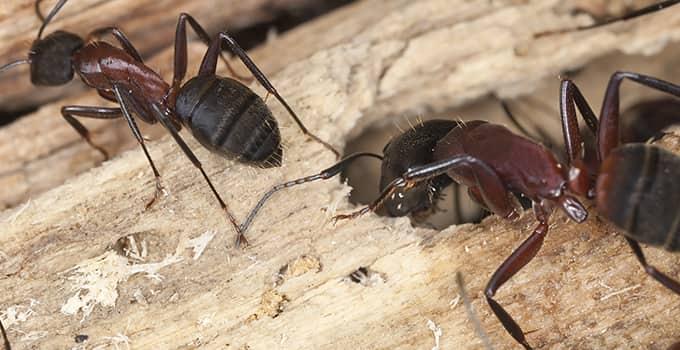
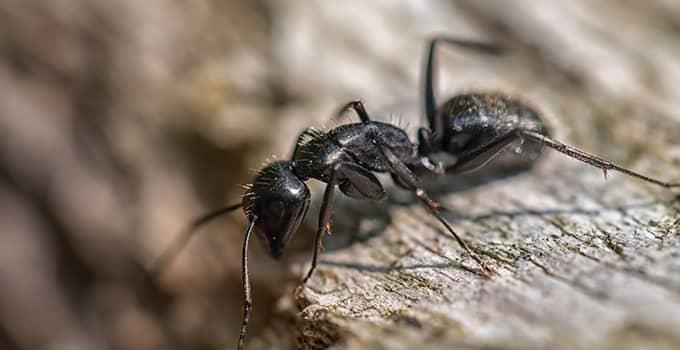
The worst ant by far is the carpenter ant! Not only can these ants get into the food in your pantry, but they can also cause significant damages to your home while doing so. These ants target soft, decaying wood and chew their way inside it to create their galleries and establish their nests. Once inside a home, their tunneling can go far beyond rotting wood. Therefore, it is important to address moisture problems in your home before carpenter ants become an issue!
You can control moisture in your home and on your property by:
- Cleaning your gutters and making sure that rainwater is being channeled away from your home.
- Trimming back tree branches to let the sunlight reach densely shaded locations.
- Repairing any leaking spigots, hoses, or sprinklers.
- Address any plumbing or faucet leaks and adding dehumidifiers in areas of your home that have high humidity levels.
Carpenter ants are also attracted to decomposing wood. Here are just a few of the many resources they will target:
- Lumber and other housing materials stacked in the backyard
- Piles of campfire wood
- Untreated wood borders around flower beds and ornamental plant beds
- An untreated decks or fences
- Wooden flower pots or landscaping items
Arizona Pavement Ants
Pavement ants can become a serious nuisance when they get inside a home. While they are not known to spread disease, they can contaminate food sources if they get into them. These ants are known to target areas that are hard, such as foundation walls. Therefore, the best way to keep them these ants out is to make sure your foundation walls are in good condition. To accomplish this, perform a thorough inspection of your foundation, fixing any broken mortar or cracks you find.
Odorous House Ants
While all ants can get into your exterior trash, odorous house ants are definitely the number one offender! These ants love to feed on sweet things, especially sweet things that are rotting or decaying. If you have these types of foods stored in unsealed trash bins, these ants will invade your trash before you know it. And, as you can probably guess by their name, it really stinks to have an odorous house ant problem, both figuratively and literally! These ants emit a strong, foul-smelling odor when they are crushed or feel threatened and are definitely not a pest you want hanging around. To deter these ants, make sure your trash receptacles are kept clean and have tight-fitting lids on them.
For more information about carpenter ants, odorous house ants, or pavement ants, check out our pest library pages on them!
General Ant Prevention
Controlling moisture around your home will help to prevent more than just carpenter ants. It can actually help deter many different ant species.
While you’re sealing your foundation to keep pavement ants out, consider sealing your exterior walls as well. Ants will enter in through any gaps, cracks, or holes they can find.
- Closely inspect your door frames for any tiny holes. This can be done by darkening the interior of your home during the day. The sunlight from outside will illuminate the holes and make them much easier to spot.
- Examine your window frames and fill in any holes you see. A caulking gun is a great tool to get this job done.
- Repair or replace any damaged screens on your windows and doors.
- Look for any gaps around pipes and utility lines and seal any that you find.
- Install door sweeps on any exterior doors that don’t have them.
- Check the weather stripping on your sliding glass doors and repair any damage.
- Cover vents with screen material to keep ants from utilizing them as an entry point.
There are some steps you can take inside your home to help deter ants. Along with installing dehumidifiers and keeping your home dry, it is important to keep the food sources in your home secure. Here are a few ways to accomplish this:
- Pick up pet food between feedings and store dry pet food in sealed, pest-proof containers.
- Routinely vacuum and sweep your floors and wipe down your counters regularly to clean up any spills and crumbs.
- Wipe down any sticky jars that contain honey, jelly, and syrup after using them.
- Keep fruit in the refrigerator until you’re ready to eat it.
- Store your interior trash in a trash can with a lid and take it out on a regular basis
Remember You’re Not Alone
When you’re dealing with ants, it is important to remember that there are pest control professionals who would love to help you take care of your ant problem. At Schendel Pest Services, we can help you take care of those ants quickly and efficiently and assist you in preventing any future ant infestations as well! If you need assistance dealing with ants or any other Arizona pest, start here!