
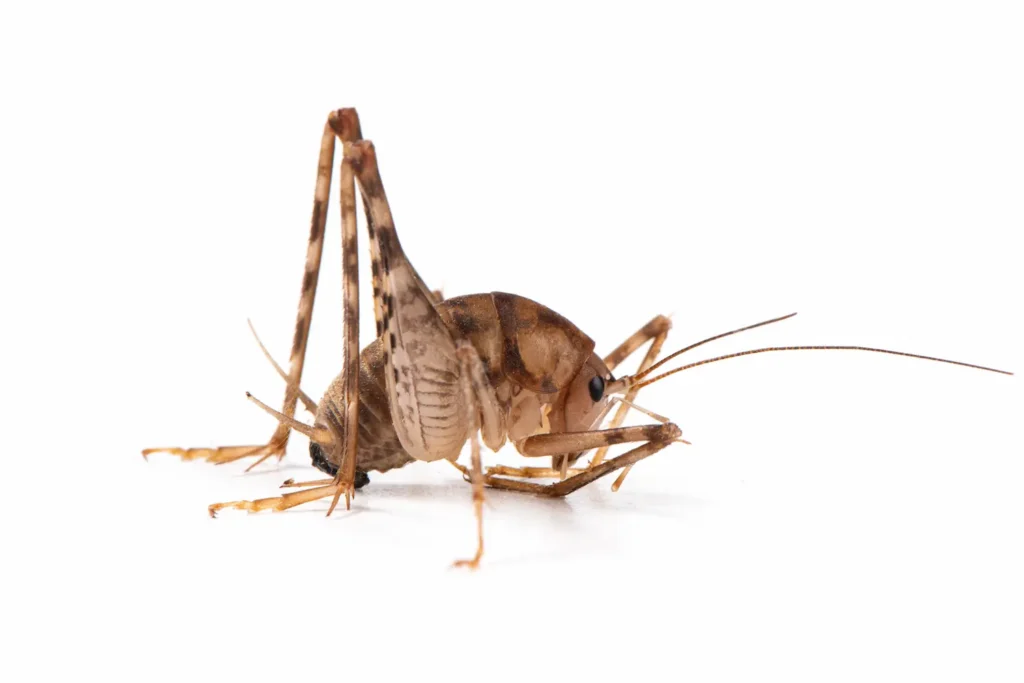
Camel crickets are humpbacked insects that spring through the air. This is why they were given this name. They are also sometimes referred to as camelback crickets or humpback crickets.
But if all you know about camel crickets is this name, it can leave you scratching your head. Both of these words invoke symbolism. Camels are desert dwellers with large humps, buck teeth, and an ability to go many days without water. Crickets make chirping sounds in the grass and spring through the air.
So is there anything we can learn about camel crickets from their name? Are they desert-dwelling crickets that chirp and are able to go days without water? No. They are pests that can chew through your belongings, find water sources in your home, and are an overall nuisance.
Issues Camel Crickets Can Cause
Now that we know what camel crickets look like, let’s look at some of the things you can expect when these insects get into your home:
- Camel crickets chew on lots of things. This can lead to damaged belongings. Some of the things these insects chew on are clothing, tapestries, upholstered furniture, and curtains. The more crickets you have, the more damage they will cause.
- Without a source of water, camel crickets do not usually survive long indoors. For this reason, it is important to do a detailed inspection for water damage or leakage within your home when camel crickets appear.
- Mostly, camel crickets are a nuisance. And, they are a pest problem that can resolve itself. It is important, however, to have a pest controller look at your issue to give you information about pest pressures. If you have camel crickets getting in, there is a good chance you have other, more harmful pests getting in.
Do you hear chirping? Fortunately, this is not something you’re going to have to deal with when camel crickets get in. Camel crickets do not have the ability to chirp. So you’re not going to be up all night wondering where the noises are coming from. But this has a downside. You’re also not going to be alerted to the fact that an insect that looks like a spider is about to leap from the darkness of your basement.
Types of Camel Crickets
Cave Crickets
Have you heard of a cave cricket? They are also sometimes called cave weta. They get these names because camel crickets love to live in caves.
Caves usually have hard surfaces, are moist, dark, and generally cold. Can you think of a place in your house that is like this? If you said your cellar or basement, you are exactly right. They can be found in basements by the dozens, or even hundreds.
Spider Crickets
Some people know camel crickets as spider crickets. And this name is sometimes condensed to spricket. They are given this name because they are often mistaken for spiders.
Camel crickets have long, thin legs that rise above their bodies and give the appearance of spider legs. And, since they like the darkness, it is often hard to quickly see that you’re looking at a bug with six legs (like an insect) instead of eight (like a spider).
It is usually only after a camel cricket has leapt off the wall in your direction that you realize it is not a spider. By that time, it is too late for you to rethink your decision to let out a ridiculous scream of terror or use words that are definitely not suitable for children.
Land Shrimp
While this is a lesser-known name for camel crickets, ‘land shrimp’ gives a little more insight into these insects. Their bodies do look a little bit like a shrimp. And camel crickets typically measure between ½ an inch and 1 ½ inches, which is just about the size of a shrimp. But unlike shrimp, you’re not going to find these bugs swimming around in the water.
Prevention Tips
The good news is that you don’t have to share your basement with these humpbacked houseguests. Here are some practical steps you can take to make your home less inviting to camel crickets:
- Reduce moisture. Eliminating excess moisture is one of the most effective ways to keep these pests at bay. Fix leaky pipes, repair dripping faucets, and consider using a dehumidifier in your basement or crawl space.
- Seal entry points. Camel crickets don’t knock before they enter. They slip through cracks in your foundation, gaps around doors and windows, and openings around utility pipes. Take a walk around your home and seal any potential entry points with caulk or weatherstripping.
- Clear any clutter. Stacks of cardboard boxes, piles of old newspapers, and cluttered storage areas are like five-star hotels for these insects. Keep your basement, garage, and storage areas organized and elevate items off the floor when possible.
- Address outdoor habitats. Camel crickets often move indoors from outdoor hiding spots. Remove debris, leaf piles, and woodpiles from around your foundation. Keep mulch at least 12 inches away from your home’s exterior, and trim back vegetation that touches your walls.
- Improve ventilation. Dark, stuffy spaces are camel cricket magnets. Improve airflow in basements and crawl spaces by making sure vents are clear and functional.
- Schedule regular inspections with a professional. Even with the best prevention efforts, pests can find a way in. Regular inspections from a professional pest exterminator, like Schendel Pest Services, can identify vulnerabilities before they become full-blown infestations.
Your Local Cricket Exterminator
Whether you need a resolution to a camel cricket issue or you’d like comprehensive pest control for your home, Schendel Pest Services can help. We serve Kansas, Arizona, and Missouri with the highest level of pest control in the industry.
Contact us today for immediate assistance.
Schedule Your Free Inspection
Residential Services


Termite Control

Mosquito Control

Bed Bug Control

Bee Control

Mole Control


Pest Control Insulation

Wasp & Hornet Control
Recent Blog Posts
Keeping Termites Out of Your Home: Our Complete Guide
When warmer weather arrives, termites become active and start looking for new places to call home. While these tiny insects serve a purpose in nature by breaking down dead wood…
Why Is My Home Full of Spiders During the Cold Months?
When fall turns into winter, spider sightings often increase inside homes. Cooler temperatures push both insects and spiders to seek shelter indoors. The main reason is a change in food…
What Are Camel Crickets in Kansas, Missouri and Arizona?
Serving Kansas, Missouri and Arizona