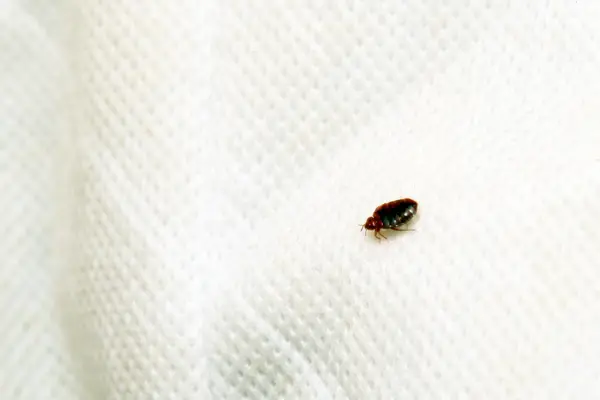
Should You Be Concerned About One or a Few Bedbugs?
The answer is yes – you should be concerned, but don’t panic. Seeing any number of bed bugs means you likely have an infestation.
How often is it “just a few bed bugs” or “a couple of bed bugs?” Almost never. In 99.9% of cases where you find a small number of bed bugs, it means there are many more lurking out of sight.
The good news, if you find bed bugs, is that now you know about the problem and you have a chance to do something about it before it gets worse.
In this article, we’re going to talk about everything you need to know if you see a few bed bugs – or you’re concerned about the possibility. This includes:
- What do bed bugs look like?
- How concerned should you be if you find bed bugs?
- What does it mean if you find bed bugs?
- What should you do next?
- What else do you need to know about bed bugs in your house?
Need Help with Pest Control?
Contact us or call today to get a free quote.

Please fill out the form below and we'll be in touch shortly.
Dive Deeper – What to Know About Finding a Few Bed Bugs
If you’ve been fortunate enough never to have dealt with bed bugs before, you may have a few questions about how to identify them. This is an important first step. This is what you need to know.
What Do Bed Bugs Look Like?
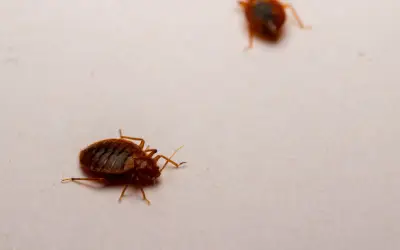
Adult bed bugs are about the size of an apple seed. They’re tiny, reddish-brown, with an oval-shaped body and six legs. Bed bugs are small, but they’re clearly visible to the naked eye.
It can be difficult to spot one or a couple, but often they’re seen in large groups, which makes them easier to find.
For more information, check out our full-length article >> What Do Bed Bugs Look Like?
How Concerned Should You Be If You Find Bed Bugs in Your House?
If you see bed bugs, it’s cause for concern. We recommend immediately seeking information on bed bug treatment options because the problem will only get worse and harder to treat the longer it goes on.
How Dangerous Are Bedbugs?
Bed bugs can be extremely distressing, but the good news is they’re not particularly dangerous. They don’t spread any diseases, and severe reactions to their bites are rare. In many cases, the loss of sleep and psychological distress they cause are the worst things about them.
What Does It Mean If You Find a Couple of Bed Bugs in Your House?
It could mean two things:
- It means you have bed bugs, and you should call a professional bed bug exterminator as soon as possible. Bed bugs are excellent at hiding and rarely come out during the day. If you find them outside of their hiding place during the day, it’s a safe bet that there are many more that you can’t see.
- It means that you found the bed bugs just as they were brought inside. See, bed bugs get around by hitchhiking in luggage, clothing, or furniture. When they’re brought inside, they go find a hiding spot where they will establish a colony. It’s very rare to find bed bugs at this stage, but it does happen. Kill the bed bugs you found and stay on alert for the possibility of more emerging.
How Many Bed Bugs Are in a Bed Bug Colony?
When you see a couple or a few bed bugs, it’s a safe bet there are more nearby. But how many more? The average bed bug colony has somewhere in the range of a hundred bed bugs to thousands upon thousands in severe infestations. Each female bed bug is capable of laying 200-250 eggs in her lifetime, so populations can multiply quickly.
What to Do When You See a Bed Bug
Your suspicions about bed bugs have led you here. You spotted a couple of bed bugs in your sheets or furniture, and now you are not sure what to do next. You are asking yourself, “Should I worry about a few tiny bed bugs?”
First, don’t panic. Then follow these steps:
- Confirm it’s actually bed bugs: Take photos and compare them to online images. Bed bugs are small, oval, brown insects about the size of an apple seed. Look for other signs of bed bugs like dark spots on sheets, blood stains, or a sweet, musty odor.
- Search for more bed bugs: Check common places like furniture and bed seams, under the mattress, in the headboard and bedframe, or cracks in the wall. If you find more, you should call a professional. If you don’t find more, stay at a heightened level of alert and keep monitoring for now.
- Avoid common mistakes: Don’t throw away furniture or belongings, as this can spread the infestation. Avoid using bug bombs or foggers, which can scatter bed bugs to other areas.
- Contact a trusted bed bug exterminator: Call a pest control company that’s experienced in bed bug control. At Schendel Pest Services, our technicians can properly inspect your home and determine the extent of the infestation. Professional treatment is usually the most effective approach.
- Monitor closely: Bed bugs are resilient. Even after treatment, continue checking for signs of bed bugs for several weeks to ensure the problem is resolved.
What Else Do You Need to Know About Bed Bugs in Your House?
There are a few more things about you should know about bed bugs and why you must control them early on.
– Bed bugs are small and great at hiding
That’s good news for bed bugs and terrible news for you. Bed bugs can stowaway undetected, which leads to larger infestations. If you see one or two today, that doesn’t mean there aren’t a bunch more hiding.
If you find one or a few bed bugs and still can’t find any others despite an extensive search, it may still be worth calling a professional. Sometimes, they’re just extremely difficult to find.

– Bed bug bites don’t affect everyone the same
For about half of all people, bed bug bites produce an itchy red rash that’s hard to resist scratching. For the other half, there’s no reaction. If you share a bed with someone and it seems like one of you is getting bitten and the other isn’t, it’s more likely that you’re both getting bitten – but one of you doesn’t react to the bites.
– They’re not just in your bed
There are places all over your house where they could be hiding. Don’t let the name fool you. Bed bugs don’t dwell only where you sleep. Bed bugs can hide in wallpaper, furniture, along the side of rugs, in cribs and toddler beds, in gym bags and backpacks, and in your luggage.
So, when you leave with your bag on your arm, the bed bugs join you. You may unintentionally spread bed bugs to other places.
– Bed bugs can live up to a year without feeding
You can’t starve out a bed bug. They can survive up to a year without feeding. Just when you think you have them under control, they show up again. This is concerning if your home is vacant for any length of time, you are staying in a hotel, or if you are pulling your luggage out of storage. Bed bugs may still be lurking after time has passed.
– Don’t throw out a bed bug-infested mattress
Many people’s first instinct is to throw out a bed bug-infested mattress, but don’t – this is one of the most common ways that bed bugs are transferred from one location to another. With professional bed bug control, all of the bed bugs will be eliminated, so you don’t need to get rid of it anyway – you can keep using it.
Dependable Bed Bug Control You Can Trust
Even if it’s only one or two bed bugs, it warrants further investigation. Try to look for more bed bugs nearby, and from there, you should either continue monitoring the situation (if there aren’t any) or call a bed bug exterminator (if there are).
Schendel Pest Services has a bed bug solution that helps you identify bed bugs in your home, find out where they are hiding, and eliminate them. We offer state-of-the-art treatments, including bed bug heat treatment.
The sooner you call, even if you only see one or two, the easier it is to prevent a large-scale infestation and to stop bed bugs from spreading throughout your home. Call now to schedule a Schendel Pest Services inspection for bed bugs.
Back to Bed Bug Control & Heat Treatment Experts Serving Topeka, PhoenixSchedule Your Free Inspection
Residential Services


Termite Control

Mosquito Control

Bed Bug Control

Mole Control


Pest Control Insulation
Recent Blog Posts

Eco-Friendly Ways to Get Rid of Ants Naturally
Ants are common household invaders, and once they find food or moisture, they’re quick to bring in the rest of their colony. Even though professional pest treatments are the most…

Rat Behavior: What Every Homeowner Should Know
Rats are survivors by nature, having adapted to nearly every kind of environment over millions of years. Originating in Asia and Australia, they have spread across the world. In ,…
Trusted by over 30,000 Homes & Businesses




I Have Only Seen A Few Bed Bugs. Should I Be Concerned in Kansas, Missouri and Arizona?
Serving Kansas, Missouri and Arizona