
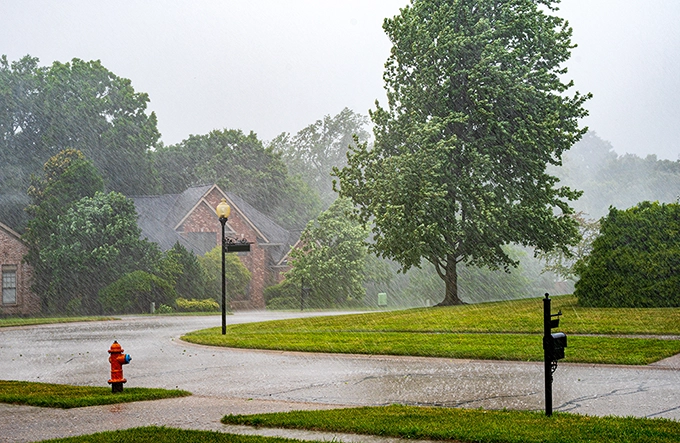
Heavy rains often bring flooding, which creates far more problems than just structural damage. As waters rise, pests like rodents, cockroaches, mosquitoes, and flies are pushed indoors, where they carry harmful bacteria and viruses. Once settled, they breed quickly in hidden spots, making infestations hard to eliminate. Taking action early is the best defense against these intruders.
With their habitats destroyed, pests naturally migrate into human living spaces for shelter and food. This can result in contaminated areas, itchy bites, and the rapid spread of disease. Stagnant water and leftover clutter only make the issue worse if not dealt with quickly. Timely prevention helps reduce these risks.
Schendel Pest Services provides professional guidance for avoiding pest issues after a flood.
Why Flooding Leads to Increased Pest Activity
After flooding, leftover water and debris create ideal conditions for pests to multiply. Moist, decaying areas speed up reproduction, quickly turning small problems into infestations. These environments also provide plenty of food sources, which attract even more pests. Timely pest control helps safeguard your home before infestations spread.
Displaced pests often find their way indoors through weakened foundations, vents, and cracks. Sewer backups can bring in additional bacteria and pests. Insects and rodents take advantage of these openings to establish nests quickly. Damp basements become prime hiding spots and require thorough inspection.
The Most Common Flood-Related Pests
Floodwaters often drive pests from their hiding places, leading them to take refuge in houses and buildings. Once indoors, they can spread quickly and cause health concerns. Among the pests that appear most often after floods are:
Flies
After heavy flooding, flies are drawn to garbage, spoiled food, and rotting materials, where they breed quickly. The excess moisture and decaying matter provide the perfect conditions for their numbers to grow out of control. Prompt cleanup is key to stopping infestations before they spread.
As flies travel between trash and living spaces, they pick up and transfer bacteria onto surfaces and food. This can increase the risk of food poisoning, diarrhea, and other illnesses. Even small fly populations can create significant health hazards if left unchecked. Proper sanitation is essential to protect your family’s health.
Mosquitoes
Containers, old tires, and low-lying spots filled with water provide perfect breeding grounds for mosquitoes. In just a few days, these areas can produce swarms because mosquito eggs easily survive in stagnant floodwater. Even a small amount of standing water can trigger a major increase in their numbers. Rapid post-flood cleanup is essential to prevent infestations.
Mosquitoes bring more than itchy bites. They can spread diseases such as dengue, chikungunya, and malaria! Their bites often lead to severe irritation and even allergic reactions in sensitive individuals. Because they reproduce so quickly, mosquitoes can overwhelm a neighborhood in little time. Protecting your home reduces the risk to your family.
Cockroaches
When sewers flood, cockroaches are pushed into human dwellings as they search for safety. They squeeze through tiny openings and drains, withstanding water long enough to make control difficult. Because they reproduce so quickly, even a few can become an infestation. Immediate intervention is essential to stop them from multiplying.
Inside, cockroaches spread harmful bacteria across food and household surfaces. Their waste and secretions contribute to poor hygiene conditions. Over time, these contaminants can increase the risk of foodborne disease. Children are especially at risk of asthma flare-ups and allergic reactions.
Rats
Floodwaters often drive rats from underground nests, pushing them into houses and buildings. They are skilled survivors, fitting through tiny gaps and using hidden pathways to enter. Their sharp teeth allow them to chew through wood, plastic, and even soft metals when searching for entry. Their adaptability allows infestations to form quickly after flooding.
Once indoors, rats contaminate kitchens and pantries with droppings and urine filled with bacteria. They also damage wiring, furniture, and stored goods. On top of property destruction, they transmit diseases like hantavirus and leptospirosis, highlighting the need for immediate pest control.
Health Risks from Post-Flood Pests
After floods, lingering moisture and scattered debris create perfect breeding grounds for pests, raising serious health risks for residents. These conditions also make it easier for pests to hide and spread unnoticed. Some of the main illnesses associated with post-flood pests are:
- Mosquito-Borne Diseases: Mosquitoes that breed in flood-affected areas can transmit diseases like dengue and malaria through their bites.
- Diarrhea & Cholera: Exposure to contaminated floodwater and germs carried by flies increases the risk of gastrointestinal illnesses.
- Leptospirosis: Contact with rat urine, which can contaminate water and surfaces after flooding, poses serious health hazards.
- Respiratory Problems: Damp conditions and pest droppings promote mold growth, which can aggravate existing respiratory conditions.
Getting Your Home Ready for Flood Conditions
Flooding creates ideal conditions for pests to move indoors and establish themselves. Early preparation can make a big difference in keeping your living spaces safe. Use these tips to protect your home and basement before a flood:
- Pest Inspections: Arrange a pre-flood visit with a pest control professional. Early detection and treatment can stop infestations before they start.
- Secure Food: Keep all food in airtight containers to avoid contamination and make your home less attractive to pests. Proper storage also prevents rodents and insects from feeding during floods.
- Elevate Belongings: Lift furniture, electronics, and other valuables off the ground. Elevating items minimizes hiding spots for pests and helps prevent infestations from forming.
- Seal Openings: Check that all doors, windows, vents, and cracks are fully closed or sealed. This creates a barrier that blocks pests from entering during rising floodwaters.
- Yard Maintenance: Clear debris, clean gutters, and keep your yard orderly. A well-maintained outdoor space discourages rodents and limits standing water where mosquitoes can breed.
Protect Your Home from Health Hazards After Flooding
After a flood, acting quickly can prevent pests and harmful bacteria from taking hold in your home. Delaying cleanup increases the risk of infestations and health hazards. Follow these tips to protect your home from post-flood infections:
- Rat and Cockroach Control: Seal cracks, gaps, and holes in foundations and basements to prevent pests from entering. Keep food securely stored or remove exposed items to make your home less inviting to rats and cockroaches. Watch for signs of activity and take immediate action if pests are detected.
- Clean Immediately: Remove mud, debris, and leftover food that could attract flies and cockroaches. Disinfect all surfaces exposed to floodwater to reduce bacteria and prevent contamination. Prompt cleaning also helps stop infestations from developing.
- Mosquito Control: Eliminate standing water quickly to prevent mosquitoes from breeding. Clean gutters, treat damp areas such as basements, and use screens or bed nets to protect indoor spaces. Regularly check your yard and containers to make sure no new water has collected.
- Deal With Flies: Empty trash bins daily and ensure they are tightly sealed. Use fly traps when necessary and dispose of decaying organic material safely. Keep kitchens and dining areas clean to minimize opportunities for flies to enter.
Fight Flood Pests Early with Schendel Pest Services
Persistent pest activity, rat droppings in multiple areas, or mosquito swarms even after cleanup are clear signs of a growing infestation. These indicators show that pests are well-established and reproducing rapidly. Ignoring these signs can result in significant property damage and serious health risks. Prompt professional action is essential to halt their spread.
Schendel Pest Services provides expert pest control and prevention solutions. Our team inspects your property, applies targeted treatments, and monitors progress to ensure lasting results. We also educate homeowners on preventive measures to minimize future infestations. You can trust us to handle even the toughest infestations.
Reach out to Schendel Pest Services to schedule an inspection and ensure effective pest removal.