Bats are generally shy animals, but they should always be treated with caution. Because they may carry diseases and are protected by strict wildlife regulations, you should never attempt to handle or remove them yourself. If you find a bat inside your home or on your property, avoid contact and call a professional bat control expert for assistance.
Because bats are protected under state and federal wildlife regulations, their removal must be performed according to strict legal guidelines. Attempting to remove them without following these requirements may result in costly penalties. At Schendel Pest Services, we provide humane bat removal that complies with all regulations and install proven exclusion solutions to prevent future infestations.
Protect your property while staying in compliance with the law. Call Schendel Pest Services today to schedule a free estimate for licensed bat removal and exclusion services in Kansas, Missouri, Arizona, & Arkansas.

Please fill out the form below and we'll be in touch shortly.
What Are Bat Removal “Blackout Dates” in Kansas, Missouri, Arizona, & Arkansas?
Wildlife protection laws establish mandatory blackout dates each year that restrict when bat removal and exclusion services can be performed. These seasonal restrictions protect bats during maternity and hibernation periods, allowing colonies to raise their young and survive without unnecessary disturbances.
In Kansas, Missouri, Arizona, & Arkansas, blackout dates occur from May 1st through August 15th and October 15th through March 31st. During these periods, disturbing or removing roosting bats is prohibited. Schendel Pest Services can perform a professional inspection any time of year to identify bat activity and help you prepare for future removal services.
What Should You Do If a Bat Gets Inside Your Home?
If a bat enters your home, it’s important to know how to respond to protect yourself, your family, and the animal. Follow these steps if you encounter a bat indoors to help manage the situation:
Remain Calm and Avoid Contact
If you discover a bat inside your home, stay calm and avoid approaching it. Bats are typically not aggressive, but they may bite if they feel threatened or are handled.
Limit the Bat’s Movement
If possible, close doors to nearby rooms and contain the bat in one area. This helps prevent it from moving throughout your home and makes removal easier.
Do Not Attempt DIY Removal
Avoid trying to trap, swat, or pick up the bat yourself. Depending on the species and local regulations, handling or removing bats may be unsafe and may violate wildlife protection laws.
Contact a Bat Control Professional
Reach out to a local bat specialist or wildlife professional, such as the experts at Schendel Pest Services, for proper identification and humane removal assistance.
Bats Commonly Found Around Homes in Kansas, Missouri, Arizona, & Arkansas
Several bat species may be found near homes throughout Kansas, Missouri, Arizona, & Arkansas. The following are some of the most common bats homeowners may encounter:
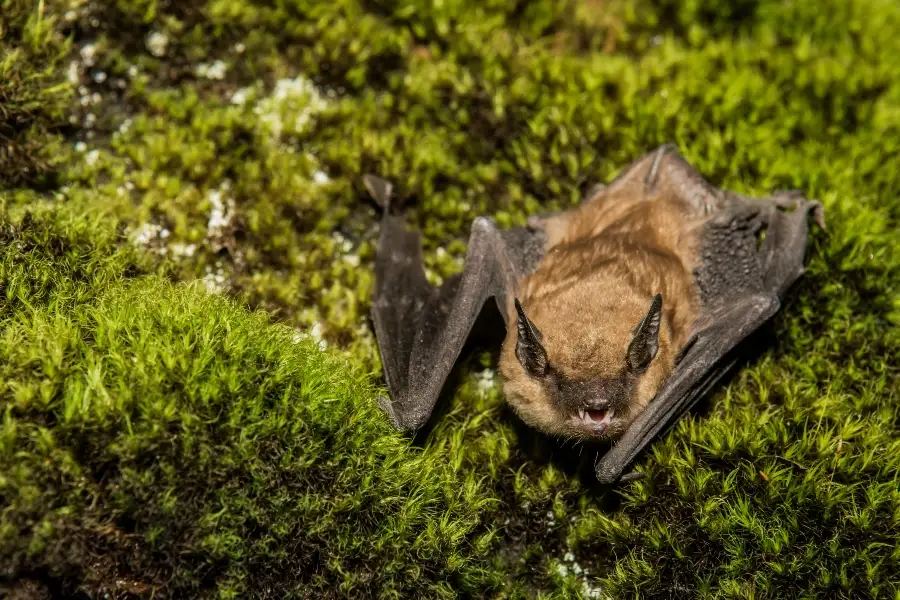
Big Brown Bat
Common bat species found near homes and buildings throughout Kansas, Missouri, Arizona, & Arkansas. They often roost in attics, wall voids, barns, and other sheltered areas, making them a frequent species encountered during bat removal services.
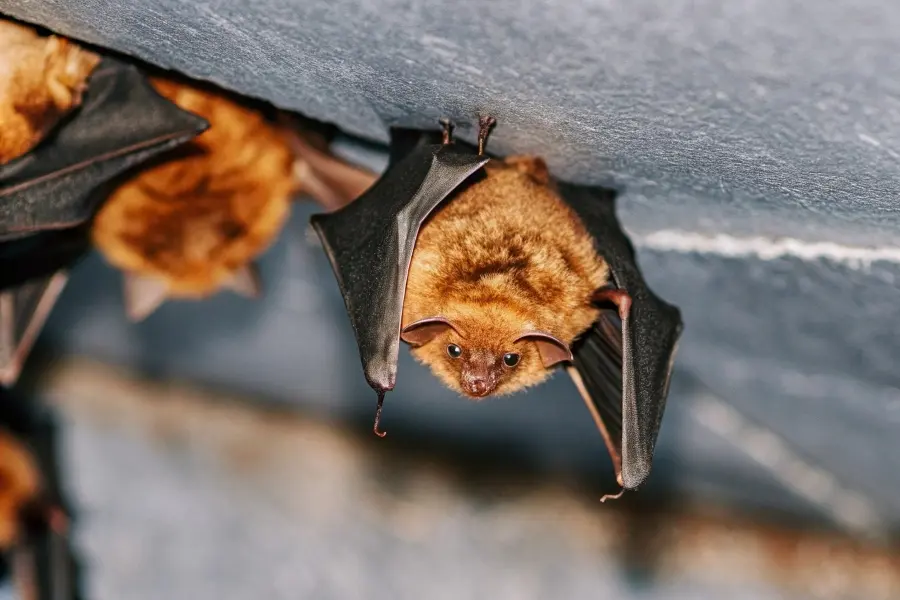
Mexican Free-tailed Bat
Known for forming large colonies in caves, bridges, and buildings. These fast-flying bats may seek shelter in structures when suitable roosting locations are unavailable.
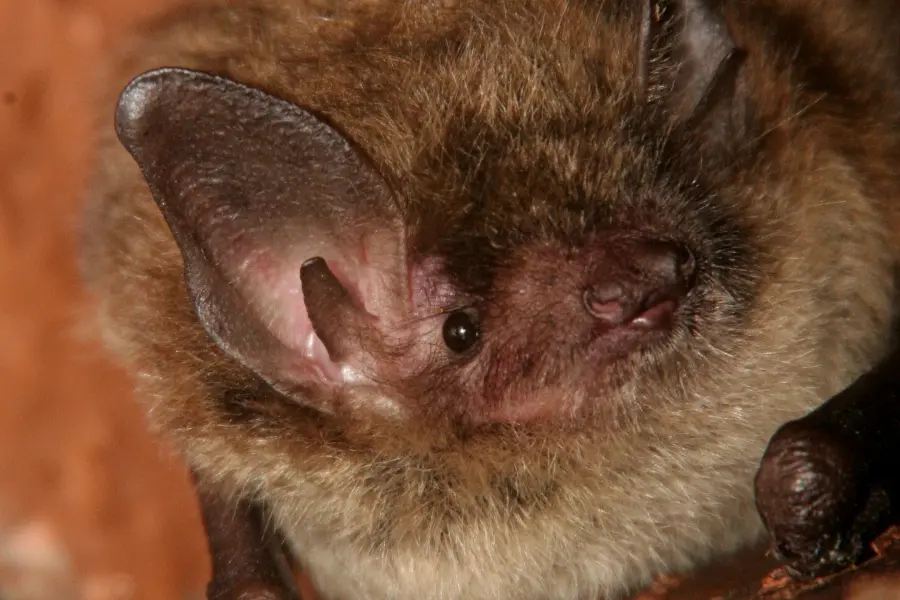
Little Brown Bat
Small, insect-eating bats commonly found in Kansas, Missouri, Arizona, & Arkansas. They often use caves, buildings, and other enclosed spaces for shelter and may create concerns when they establish colonies near homes.
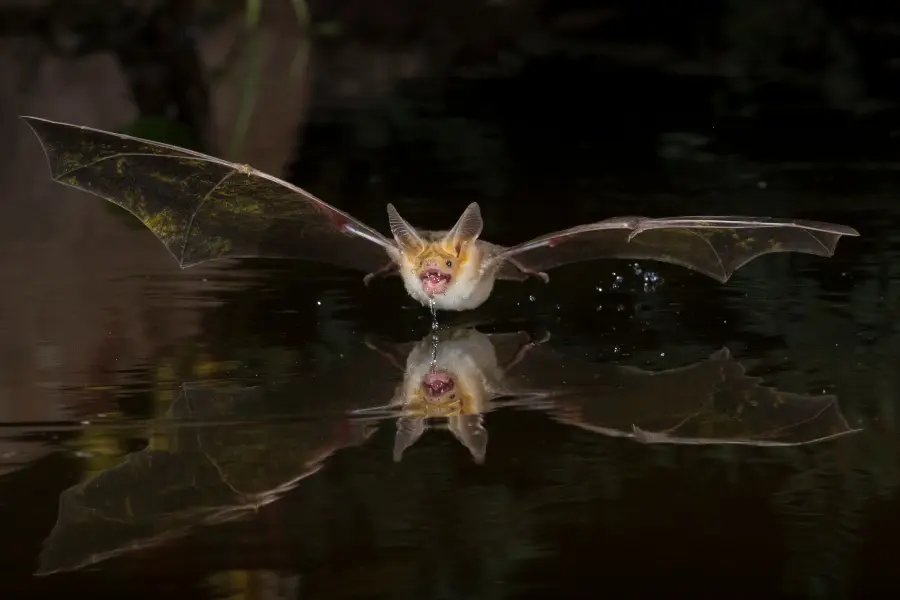
Pallid Bat
Larger desert species commonly found throughout western regions. They typically roost in rocky areas, caves, and structures such as barns or buildings where they can find protection.
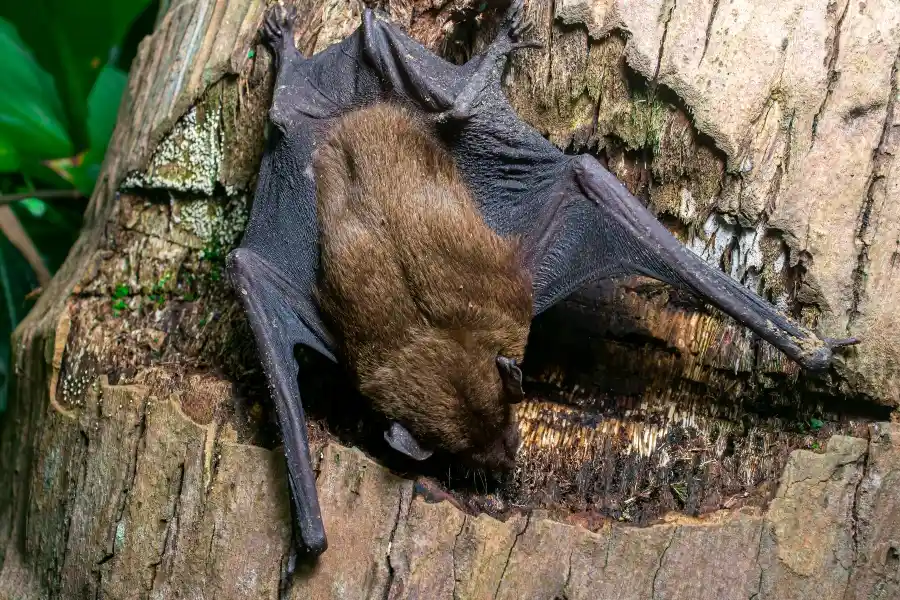
Evening Bat
Frequently roosts in trees, attics, barns, and other structures. These bats are often associated with residential areas and may be encountered during professional bat inspections.
Why Schendel Pest Services Is the Right Choice for Bat Control in Kansas, Missouri, Arizona, & Arkansas
Finding bats in your home can be stressful, but getting professional help shouldn’t be. At Schendel Pest Services, we make the bat control process simple from the first call to the final solution. When you choose our team, here’s what you can expect:
- Fast, Humane & 100% Legal Solutions: We use proven bat control methods, including exclusion devices such as bat cones and netting, to remove bats without harming them while following all applicable wildlife regulations.
- Licensed Local Experts: Our trained technicians understand bat behavior, roosting habits, and the conditions that attract bats. We are familiar with the challenges of Kansas, Missouri, Arizona, & Arkansas bat populations and provide effective solutions designed to remove bats and help prevent their return.
- Clear Communication Every Step of the Way: We explain our recommended treatment plan, how the process works, and what you can expect before, during, and after service. Our team is always available to answer your questions and keep you informed.
- Easy Online Account Management: Managing your bat control services is simple with convenient online options for scheduling appointments, accessing your account, and making payments.
- Ongoing Support: Our technicians provide helpful recommendations and prevention tips to reduce the chances of future bat problems and help protect your home long after service is complete.
What to Expect During Our Professional Bat Removal Process
Dealing with bats requires more than a quick fix. Their protected status and specialized roosting behaviors mean removal must be handled carefully and according to regulations. Our three-step process simplifies the experience and helps homeowners understand exactly what to expect:

Inspect and Identify
Our technicians perform a thorough inspection of your home to locate active bat activity, identify roosting areas, and find current or potential entry points bats may use to access your property.

Eviction and Exclusion
We seal unnecessary entry points and install humane one-way exclusion devices, such as bat cones or netting, at active openings. These solutions allow bats to exit while preventing them from coming back inside. Depending on the size of the colony, the eviction process may take up to two weeks. Once all bats have left, we permanently seal the remaining openings to help prevent future infestations.

Clean Up
Bat colonies can leave behind significant messes, including guano and other debris. Our team will remove bat waste, clean the affected areas, and help restore the space so it is more sanitary for your home.
FAQs on Bat Control and Exclusion
Bats can create uncertainty for homeowners, but Schendel Pest Services has the experience needed to help. With a proven history of providing professional bat control in Kansas, Missouri, Arizona, & Arkansas for more than 79 years, we use our local knowledge to help you better understand bat behavior and removal options.
For immediate questions or professional assistance, contact our team today.
What are the signs of a bat infestation in a house?
Because bats are active at night, homeowners often notice signs of an infestation before they ever see a bat. Some of the most common signs that bats may be roosting nearby include:
- Mysterious Scratching Noises: Bats hidden inside walls, ceilings, or chimneys may create faint scratching, crawling, or fluttering sounds. These noises are often noticed around dusk when bats leave their roosts to feed or at dawn when they return.
- Guano Accumulation: Bat droppings, known as guano, typically collect in concentrated areas beneath roosting sites or entry points. Homeowners may find guano on porches, decks, siding, or attic insulation near where bats are entering or nesting.
- Dark Grease Stains: As bats repeatedly enter and exit small openings, the natural oils from their fur can leave behind dark brown or black stains. These marks are commonly found around gaps near rooflines, vents, and other access points.
- Chirping Sounds at Dusk: Shortly before sunset, bats preparing to leave their roost may produce high-pitched squeaking or chirping sounds. Hearing these noises near your roof or attic area can be a sign of an active bat colony.
How do bats get into a home or attic?
Because of their small size and flexible bodies, bats can enter homes through surprisingly tiny openings. They typically do not create their own entry points like mice or squirrels but rely on existing gaps and areas of structural damage. Some of the most common places bats enter include:
- Gaps in the Roofline and Fascia: The areas where your roof connects with the fascia board can develop gaps over time due to weather exposure, shifting, or deterioration. These small openings can provide bats with direct access to your attic or other enclosed areas.
- Damaged or Unsealed Soffits: Soffits located beneath roof overhangs help protect your home from outside elements, but damaged or loose sections can create openings where bats can enter. These vulnerable areas may allow bats to bypass your home’s exterior defenses.
- Ridge Caps and Roof Vents: Roof vents, ridge vents, and gable vents are designed to provide airflow while keeping pests out. However, damaged screens, worn materials, or loose components can create entry points where bats can access upper areas of your home.
- Unprotected Chimneys: Chimneys without proper caps or protective covers can provide bats with an easy way inside. Once they enter, bats may become trapped or move into fireplaces, attics, or other areas of the home.
What are the health risks of bats on your property?
Bats play an important role in the environment by helping control insect populations. However, when they roost inside your home or business, they can create health concerns. The two primary risks include:
- Histoplasmosis: Histoplasmosis is a respiratory illness caused by breathing in fungal spores from Histoplasma capsulatum, which can grow in areas where bat guano accumulates. When dried guano is disturbed during cleaning, repairs, or moving contaminated materials, these spores can become airborne and create potential health concerns.
- Rabies: While rabies is uncommon in bats, they are one of the most recognized wildlife carriers of this serious disease. Any bat that behaves unusually, appears unable to fly, is active during daylight hours, or allows close contact should be treated with caution. If a person is bitten or scratched by a bat, prompt medical attention is recommended.
What are the legal risks of having bats on your property?
The presence of bats does not usually create legal problems, but improper removal methods can lead to serious consequences. Because bat populations have declined in many areas, numerous species are protected under state wildlife rules and federal laws. Homeowners should be aware of the following legal risks:
- Heavy Fines: Attempting to kill bats, capture them using prohibited methods, or block their access while they are still inside a structure can lead to significant fines and legal penalties for each violation.
- Property Damages & Code Violations: Sealing entry points before bats have been properly removed can trap them inside walls, attics, or other areas of your home. This can result in dead bats, unpleasant odors, sanitation concerns, and potential violations of local health and building regulations that may require expensive cleanup and repairs.
What are “blackout dates” and when do they happen in Kansas, Missouri, Arizona, & Arkansas?
Bat “blackout dates” are legally required time periods when removing bats through exclusion methods is not allowed. These seasonal restrictions help protect bat colonies during important stages of reproduction and survival.
When mother bats give birth in late spring and summer, their pups cannot fly or leave the roost. If bats are excluded too early, adults may be locked out while their young remain inside, creating a dangerous situation for the colony. In Kansas, Missouri, Arizona, & Arkansas, blackout periods typically run from May 1st to August 15th and October 15th to March 31st.
What can you do during “blackout dates”?
If you find signs of a bat infestation during the summer blackout period, avoid sealing entry points on your own. While regulations may prevent exclusion work until the protected period ends, the experts at Schendel Pest Services can still assist by:
- Comprehensive Inspections: Our technicians can perform a detailed inspection of your property to identify active bat entry points, exit locations, and other areas where bats may gain access in the future.
- Partial Sealing: We can legally close off secondary gaps and inactive openings that bats are not currently using. This helps strengthen your home’s exterior and prepares the property for complete exclusion once permitted.
- Interior Structural Reinforcement: If you are concerned about bats moving from the attic into your living areas, our team can identify and seal interior access points. This helps create a barrier between your family and the bat colony.
- Priority Scheduling: We can develop a plan that follows all wildlife regulations and schedule your exclusion service as soon as the blackout period ends, helping you address the problem as quickly as possible.
Call Today for Reliable Bat Removal and Exclusion in Kansas, Missouri, Arizona, & Arkansas
Bats in your home can be stressful, but you don’t have to handle the problem alone. At Schendel Pest Services, we offer professional bat control services in Kansas, Missouri, Arizona, & Arkansas using humane solutions designed to remove bats and help keep them from coming back. From our proven process to our ongoing support, we make bat control straightforward and stress-free. We’re here to help protect your home with reliable solutions.
Don’t let unwanted pests take over your property. Contact Schendel Pest Services today for a free estimate and get the professional help you need to protect your home.
Schedule Your Free Inspection
Residential Services


Termite Control

Mosquito Control

Bed Bug Control

Bee Control

Mole Control


Pest Control Insulation

Wasp & Hornet Control
Recent Blog Posts

Eco-Friendly Ways to Get Rid of Ants Naturally
Ants are common household invaders, and once they find food or moisture, they’re quick to bring in the rest of their colony. Even though professional pest treatments are the most…
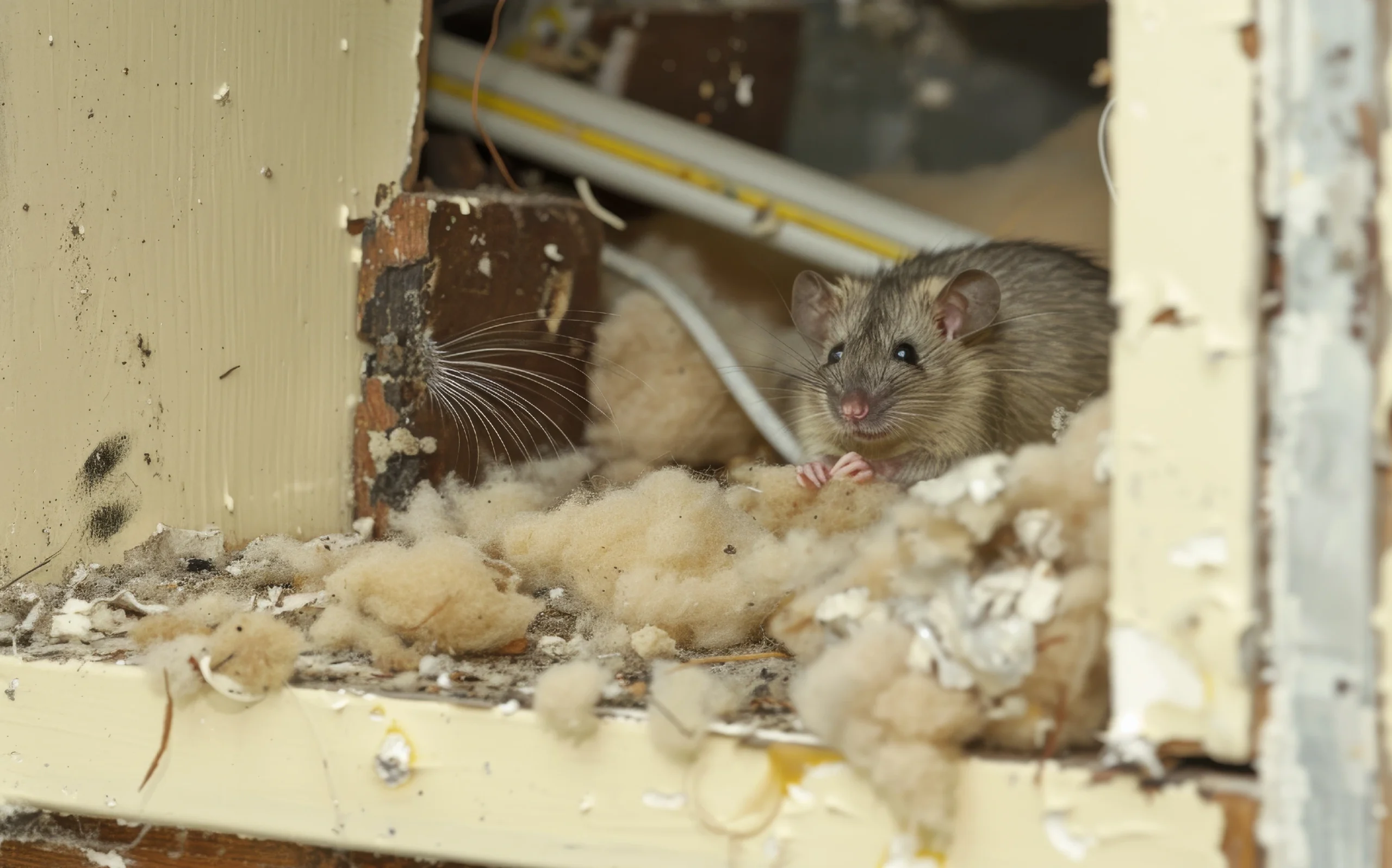
Rat Behavior: What Every Homeowner Should Know
Rats are survivors by nature, having adapted to nearly every kind of environment over millions of years. Originating in Asia and Australia, they have spread across the world. In ,…
Trusted by over 30,000 Homes & Businesses
I just wanted to let you know how much we appreciate the courtesy always displayed when Derrick visits our office and showroom. He is polite and friendly and does his job efficiently. Today he even asked if he might assist us in tuning in our staticy radio we have at our front door. It took him less than a minute to see that we had wires miswired and corrected it. It was a small effort but greatly appreciated. He is a wonderful asset to your staff.
Lynn Utt
Furniture Options




Bat Control in Kansas, Missouri and Arizona
Serving Kansas, Missouri and Arizona