For owners in the food retail sector, spotting signs of a rat problem can be deeply unsettling. In Arizona, Kansas, and Missouri, the Norway rat is often the culprit behind these infestations. These rodents threaten everything you’ve built: from your brand’s reputation to regulatory compliance and customer confidence.
At Schendel Pest Services, we’ve supported countless commercial clients facing rodent challenges. We understand how damaging these situations can be, but with the right strategy, you can regain control and protect your business.
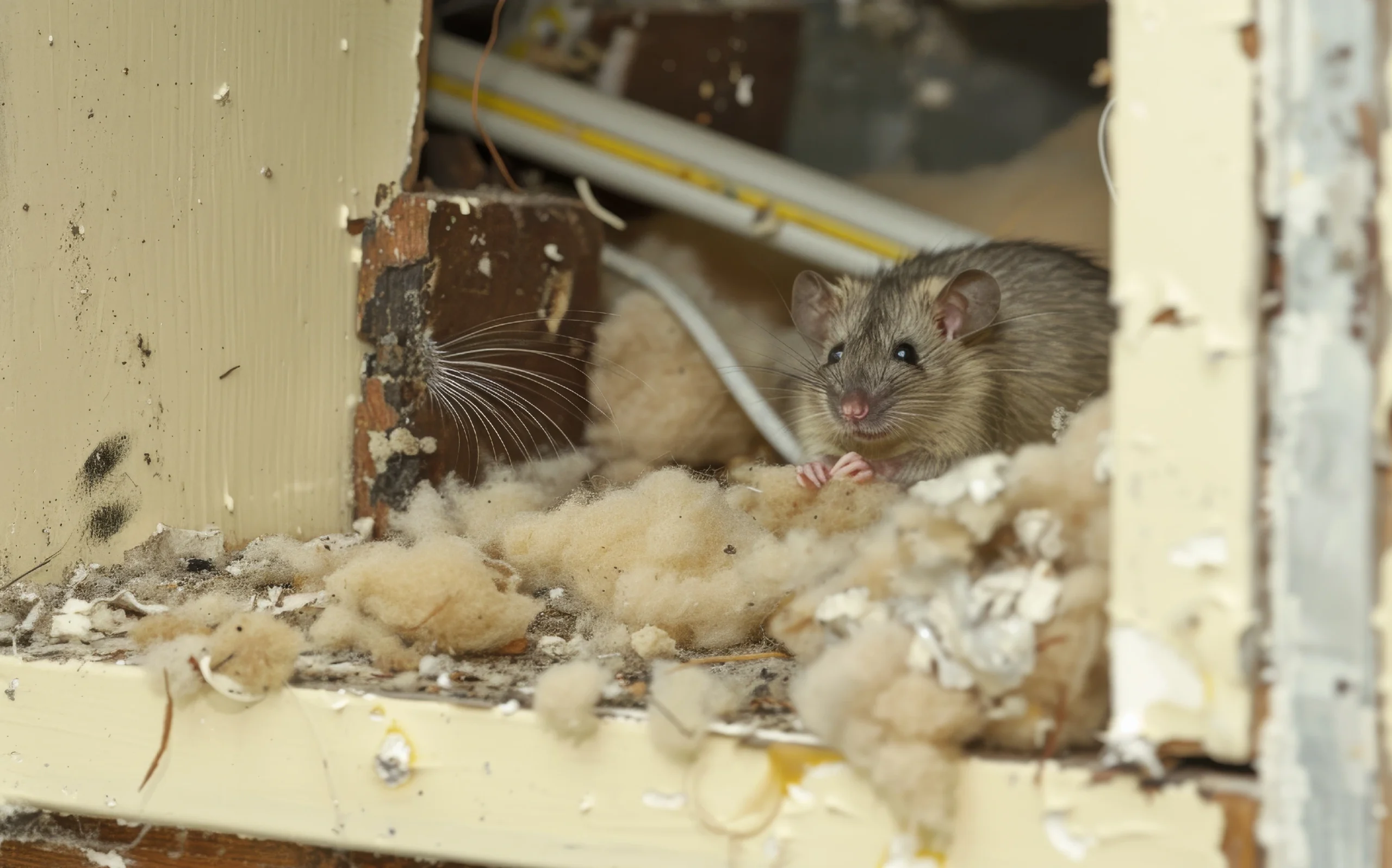
Take one recent example: a grocery store struggling with a Norway rat nesting near their refrigeration units. The rat had easy access to snack items, cozy insulation for shelter, and quiet corners to stay hidden. Staff noticed chewed packaging and rodent droppings, raising immediate concerns about contamination, inventory losses, and inspection failures.
After safely capturing the rat inside, we focused on the building’s exterior. We installed bait stations around the perimeter and collaborated with local authorities to manage trapping and baiting efforts in nearby areas.
Why Are Norway Rats Drawn to Your Business? Understanding Their Behavior
What pulls Norway rats into food retail establishments? It boils down to three essentials:
- Food: Any readily available edible items, whether packaged snacks, pet food, or garbage.
- Water: Sources like leaking pipes, condensation buildup, or standing water.
- Shelter: Warm, quiet, and undisturbed places perfect for nesting.
Norway rats are larger and smarter than mice, sometimes weighing close to a pound. They are naturally cautious, often avoiding unfamiliar objects for days, which makes trapping them tricky without a strategic approach.
These rodents are strong swimmers and skilled climbers. They can squeeze through tiny openings (no bigger than a quarter) and gnaw through materials such as plastic, wood, and even some metals. Once they find a business that satisfies their needs, they tend to stick around.
Their habits are predictable: once established, Norway rats follow the same routes daily, traveling between their nests and food sources. In a supermarket, this might mean a rat moving from ceiling insulation down to snack aisles night after night.
The Dangers of a Norway Rat Infestation
Food Contamination Risks
Rodents pose a significant threat to food safety. Studies estimate they contaminate up to 20% of the world’s food supply. A single rat can leave behind over 50 droppings and thousands of microscopic urine traces every day, both of which can carry dangerous pathogens.
For food retailers, this risk is serious: contaminated products must be discarded, customers may fall ill, and your brand’s reputation could suffer long-term harm.
Damage to Property
Norway rats’ teeth grow continuously, forcing them to chew relentlessly. This behavior damages:
- Electrical wiring (which can cause fire hazards)
- Insulation
- Building structures
- Product packaging
Regulatory Consequences
Health inspectors treat rodent evidence with zero tolerance. Signs of infestation can lead to citations, fines, or even temporary shutdowns, devastating outcomes for any food-related business.
Inventory Losses
Every product that rats damage or contaminate translates to lost revenue. In the food retail industry, these losses can quickly escalate to thousands of dollars.
Immediate Steps to Take If You Spot Rats
If you’re noticing rodent activity or want to get ahead of the problem, consider the following actions:
- Record observations: where you find droppings, gnaw marks, or other signs.
- Secure all food sources: store items properly and dispose of contaminated goods immediately.
- Reach out to a professional pest control company: Norway rat control requires specialized knowledge.
- Arrange for a thorough inspection: experts can spot entry points and vulnerabilities you might miss.
- Invest in rodent-proofing measures: sealing gaps and reinforcing your building’s defenses pays off.
- Adopt an Integrated Pest Management (IPM) plan: continuous monitoring and prevention keep rats at bay year-round.
- Train your team: make pest awareness a regular part of your workplace culture.
Need Help with Pest Control?
Contact us or call today to get a free quote.

Please fill out the form below and we'll be in touch shortly.
Why DIY Traps Often Don’t Work
When rats become a problem, the instinct might be to set out snap traps and hope for quick results. Unfortunately, Norway rats are intelligent and wary creatures. They often steer clear of new traps for days or even weeks.
Rats familiar with your facility know their territory well and quickly notice changes. A trap placed in plain sight may be immediately avoided, rendering quick fixes ineffective.
How Integrated Pest Management (IPM) Creates a Smarter Solution
If initial attempts to trap rats fail, don’t give up: adjust your methods.
IPM is a holistic approach that views pest control as an ongoing puzzle, requiring observation, analysis, and strategic planning. This method focuses on preventing infestations, monitoring activity, and applying targeted treatments rather than just reacting to visible pests.
Here’s how IPM tackles Norway rat issues:
- Inspection and Monitoring: Identify droppings, gnaw marks, entry points, nests, and food sources to understand the infestation fully.
- Habit Modification: Make your business less appealing by sealing food in airtight containers, cleaning spills promptly, removing garbage regularly, eliminating water sources, and reducing clutter.
- Exclusion: Seal gaps and holes to stop new rats from entering and limit existing rats’ movement.
- Population Control: Use trapping and baiting strategically to reduce current rat numbers.
Why Working with a Commercial Pest Control Partner Matters
While minor rodent problems might be handled internally, Norway rats require specialized expertise. Every day a rat remains in your facility means continued product damage, health risks, and regulatory exposure.
Collaboration between business owners, staff, and pest control experts produces the best outcomes. When leadership prioritizes pest management and invests in proper protocols, the whole team follows suit. Conversely, treating pest control as an afterthought invites escalating problems.
Professional teams like ours at Schendel Pest Services bring deep knowledge of rodent behavior, access to effective treatments, and the persistence needed to resolve tough infestations.
Protect What’s Important
Though Norway rat infestations pose serious challenges, they are entirely manageable. With the right approach, food retail businesses in Arizona, Kansas, and Missouri can eliminate current rat problems and prevent future ones.
Your business deserves peace of mind. Effective pest control is a continuous commitment to protecting your facility, your customers, and your success.
Need assistance managing Norway rats in your store? Our specialists focus exclusively on commercial rodent control, exclusion, and IPM programs tailored for food retailers. Contact us today to get started with a customized service quote.
Back to Pest Management for Grocery Stores & Food Retail BusinessesSchedule Your Free Inspection
Residential Services


Termite Control

Mosquito Control

Bed Bug Control

Bee Control

Mole Control


Pest Control Insulation

Wasp & Hornet Control
Recent Blog Posts

Eco-Friendly Ways to Get Rid of Ants Naturally
Ants are common household invaders, and once they find food or moisture, they’re quick to bring in the rest of their colony. Even though professional pest treatments are the most…
Rat Behavior: What Every Homeowner Should Know
Rats are survivors by nature, having adapted to nearly every kind of environment over millions of years. Originating in Asia and Australia, they have spread across the world. In ,…
Trusted by over 30,000 Homes & Businesses
I just wanted to let you know how much we appreciate the courtesy always displayed when Derrick visits our office and showroom. He is polite and friendly and does his job efficiently. Today he even asked if he might assist us in tuning in our staticy radio we have at our front door. It took him less than a minute to see that we had wires miswired and corrected it. It was a small effort but greatly appreciated. He is a wonderful asset to your staff.
Lynn Utt
Furniture Options




Schedule Your Free Inspection
How to Tackle Norway Rat Issues in Your Food Retail Business in Kansas, Missouri and Arizona
Serving Kansas, Missouri and Arizona