Large bees near your porch or wooden trim in Kansas, Missouri, Arizona, & Arkansas are often carpenter bees. They’re most active in spring and commonly appear around decks, railings, and eaves. These solitary bees are generally not aggressive but are hard to miss. While males cannot sting and females sting only if provoked, their wood-boring habits can cause lasting structural issues.
Schendel Pest Services specializes in managing carpenter bee infestations. Our trained team identifies their presence, removes them, and ensures your property stays protected.
The Consequences of Carpenter Bee Infestations
When carpenter bees tunnel into your home’s wood year after year, the damage can become permanent. What starts as small holes can quickly escalate into serious structural issues. Here’s what their activity may cause:
- Weakened Railings: Carpenter bees tunneling into porch or balcony railings can compromise the wood’s strength. Over time, this may cause railings to loosen or collapse, creating a serious safety risk.
- Damaged Steps: Carpenter bees nesting inside wooden steps can gradually weaken the structure until it eventually breaks. Similar to weakened railings, this can lead to falls or injuries.
- Distinct Entry Holes: A clear sign of carpenter bee activity is perfectly round holes about the size of a nickel. These are commonly found in rafters, under decks, or other wooden areas where the bees start tunneling.
- Compromised Support Beams: When carpenter bees bore into support beams, the wood slowly loses strength and stability. If left untreated, this can result in bending, warping, or structural collapse, though warning signs usually appear first.
- Visible Wood Damage: Carpenter bee tunnels often appear as short dashes, dots, or shallow trenches on wood surfaces. Unlike termites, these bees leave their entry points exposed and easy to spot.
Suspect carpenter bee activity in your home or yard? Call a professional stinging insect exterminator right away. We use advanced, proven methods to remove carpenter bees and keep your property safe. Quick action is our priority.
Carpenter Bees: What to Look For
Carpenter bees are often mistaken for bumblebees because of their similar size and body shape. Both insects have robust bodies and fuzzy black heads, but the main difference lies in the abdomen. Bumblebees are covered in hair from head to tail, while carpenter bees have smooth, shiny abdomens that reflect light. Knowing this visual clue makes it easier to distinguish between the two.
These bees are drawn to exposed or untreated wood, which makes decks, porches, and fences ideal nesting areas. They bore straight into the wood before following the grain, creating hidden tunnels. Unlike bees that build external hives, carpenter bees tunnel directly into structures, which can weaken the wood and result in costly repairs. Repeated infestations can eventually cause serious structural damage.
Need Help with Pest Control?
Contact us or call today to get a free quote.

Please fill out the form below and we'll be in touch shortly.
The Typical Indicators of Carpenter Bee Infestations
It’s important for homeowners to watch for signs of carpenter bees. Their activity often leaves visible holes and patterns in wood, making detection straightforward. Early identification can prevent costly damage. Check for these typical indicators:
- Visible Holes: Small, round openings about half an inch wide appear in untreated wood, showing where bees have started tunneling. These holes are often the first clear sign of an infestation.
- Wood Shavings: Piles of sawdust or tiny wood fragments can gather on the ground or nearby surfaces directly beneath the entry points. This debris is a common clue of active carpenter bee activity.
- Internal Sounds: Faint scratching or buzzing noises coming from inside the wood can signal that carpenter bees are nesting within. Listening carefully can help locate hidden infestations.
- Fan-Shaped Marks: Semi-circular or fan-like patterns around the entrance holes are a distinct indicator of carpenter bee activity. These marks often reveal where the bees have begun boring into the wood.
Carpenter Bee Infestations and the Damage They Invite
Carpenter bees do more than leave unsightly holes in wood. Their tunnels are home to developing larvae, which create faint buzzing and scratching sounds that are easy to miss. Unfortunately, these subtle noises can attract predators like woodpeckers, worsening the damage.
Woodpeckers feed on the larvae, often enlarging the small entry holes as they peck at the wood. Minor cosmetic damage can quickly turn into significant structural problems requiring costly repairs. Over time, repeated bee infestations combined with woodpecker activity can severely weaken wooden structures.
Early detection is key to protecting your home. Addressing carpenter bee activity promptly prevents both the direct harm from the bees and the secondary damage caused by predators. Acting quickly can also reduce long-term repair expenses.
Schendel Pest Services: Expert Bee Removal You Can Trust
Protecting your home from carpenter bees and the secondary effects of woodpeckers requires professional pest control. Left alone in Kansas, Missouri, Arizona, & Arkansas, these bees can compromise your wood structures. Schendel Pest Services’s skilled team locates infestations, implements targeted solutions, and ensures your home stays safe. Taking action early reduces costly damage down the road.
Get in touch with Schendel Pest Services to learn how our professional solutions can protect your home from carpenter bees and other pests.
Schedule Your Free Inspection
Residential Services


Termite Control

Mosquito Control

Bed Bug Control

Bee Control

Mole Control


Pest Control Insulation

Wasp & Hornet Control
Recent Blog Posts

Eco-Friendly Ways to Get Rid of Ants Naturally
Ants are common household invaders, and once they find food or moisture, they’re quick to bring in the rest of their colony. Even though professional pest treatments are the most…
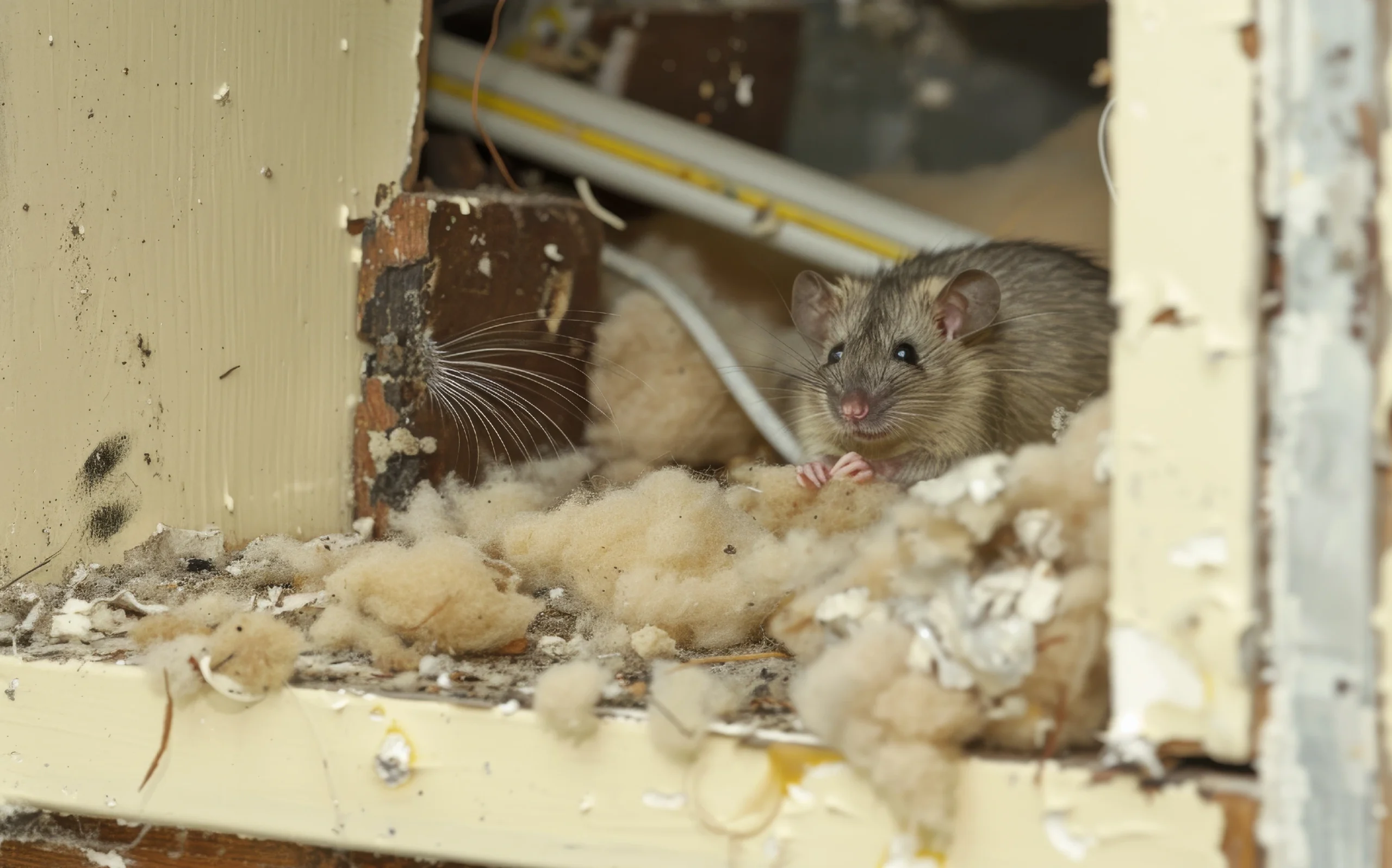
Rat Behavior: What Every Homeowner Should Know
Rats are survivors by nature, having adapted to nearly every kind of environment over millions of years. Originating in Asia and Australia, they have spread across the world. In ,…
Trusted by over 30,000 Homes & Businesses




Schedule Your Free Inspection
How Carpenter Bees Threaten Wood and Property in Kansas, Missouri and Arizona
Serving Kansas, Missouri and Arizona