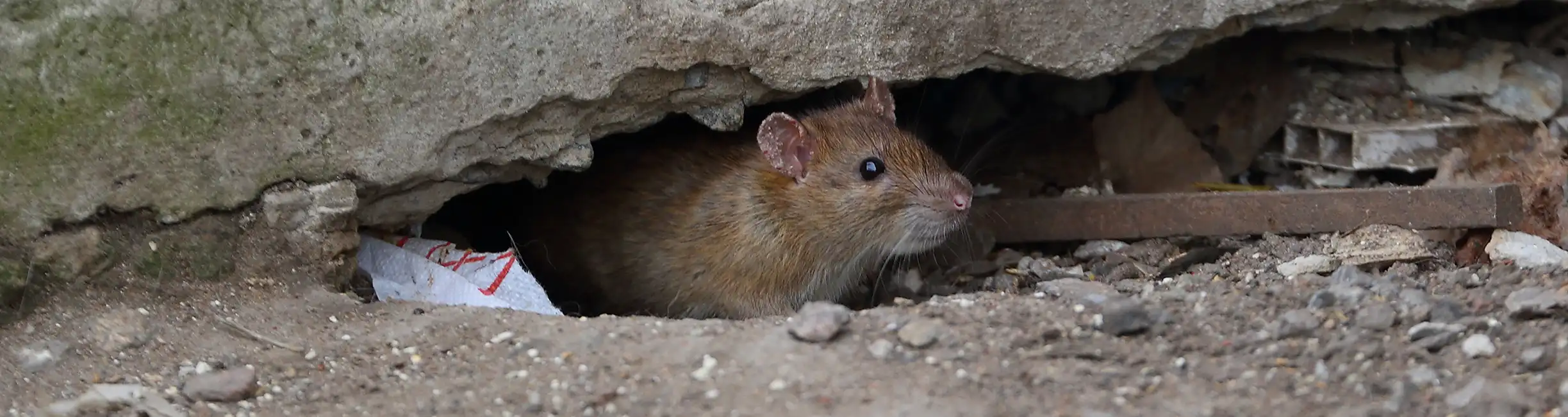
Beyond visible droppings and torn packaging, the hidden dangers of rodents include severe electrical fire hazards from chewed wiring, silent water leaks from gnawed PEX plumbing, and dangerous airborne pathogens like Hantavirus.
Because mice and rats quietly compromise wall voids and contaminate living spaces out of sight, simple DIY traps rarely resolve the underlying threat before major structural and health risks take hold.
Key Takeaways:
- Persistent rodent chewing silently compromises home safety by creating hidden structural damage, plumbing leaks, and severe electrical fire hazards.
- Rodents spread dangerous viral and bacterial pathogens throughout living spaces via food contamination, airborne waste, and secondary parasite infestations.
- Standard cleaning methods like sweeping or vacuuming dry rodent droppings can accidentally make the air toxic by aerosolizing dangerous pathogens.
- Simple DIY traps rarely eliminate an invasion because rodents naturally adapt to and avoid new objects placed in their environment.
- Achieving permanent relief requires specialized, region-specific exclusion tactics that seal entry points and disrupt behavioral patterns.
Property Damage Caused by Mice and Rats
Mice and rats gnaw continuously to file down their constantly growing incisors and to gain access to food and shelter. Driven indoors by seasonal weather extremes—from bitter winter freezes in Kansas, Missouri, and Arkansas that push Norway rats into basements to scorching Arizona heat that forces roof rats into air-conditioned attics—their chewing behavior compromises your home’s structural integrity in several distinct ways:
- Fire Hazards: Chewed electrical wiring exposes live lines inside wall voids, creating a severe electrical fire risk.
- Structural & Thermal Barrier Damage: In Midwestern and South Central climates (KS, MO, AR), rodents tear up attic and wall insulation for winter nesting, destroying thermal barriers and driving up heating costs. In desert environments (AZ), roof rats often shred AC ductwork and insulation while seeking cool air pockets.
- Moisture, Plumbing & Mold Risks: Exterior wall breaches allow rainwater infiltration, while rodents seeking hydration in arid desert zones like Arizona frequently gnaw through PEX plumbing lines and AC condensation pipes, triggering structural rot and toxic mold growth.
- Secondary Pest Access: Gaps created by gnaw marks serve as open entry points for insects and other invasive pests.
Need Help with Pest Control?
Contact us or call today to get a free quote.

Please fill out the form below and we'll be in touch shortly.
Pathogens & Health Risks Associated with Rodent Infestations
Rodents spread severe illnesses through direct contact, aerosolized particles, and continuous biological shedding in their waste. They obtain these pathogens by passing frequently between contaminated spaces, and as they move through living spaces, they taint kitchen surfaces and physical items while harboring multiple high-risk pathogens:
- Surface & Food Contamination (Salmonella, E. coli): Rodents passively drag filth from unsanitary nesting areas onto countertops, cookware, and open pantries while actively shedding foodborne bacteria through their droppings and urine.
- Hantavirus: Inhaling dust contaminated with dried rodent waste or saliva can transmit this virus, which can progress to Hantavirus Pulmonary Syndrome (HPS), a life-threatening respiratory disease.
- Lymphocytic Choriomeningitis Virus (LCMV): Spread through contact with rodent waste, saliva, and nesting materials, this viral infection causes neurological complications and presents severe risks of birth defects or pregnancy loss.
- Tularemia (Francisella tularensis): Transmitted through contact with infected rodent fluids, bites, or contaminated dust, leading to ulceroglandular lesions and painful swelling in the lymph glands.
Beyond direct disease transmission, rodents carry external parasites into living spaces. A mouse or rat presence can rapidly trigger a secondary infestation of fleas, ticks, lice, or mites. These parasites bring a distinct list of dangerous conditions, including:
- Lyme disease and Alpha-gal allergy (red meat allergy)
- Rocky Mountain spotted fever, Ehrlichiosis, and Spotted fever
- Bartonellosis, Cat scratch disease, and Murine typhus
Cleaning Up Safely — The Often Overlooked Danger
Discovering droppings or nesting material often triggers an immediate impulse to clean, but standard household cleaning methods can accelerate health risks. Sweeping or vacuuming dry rodent waste kicks microscopic pathogens directly into the air, creating aerosolized particles that are easily inhaled. Safe cleanup requires strict containment protocols:
- Never Sweep or Vacuum Dry Waste: Using a broom or household vacuum breaks up dried urine, saliva, and droppings, releasing infectious Hantavirus dust into the air.
- Saturate Before Removal: Thoroughly spray droppings, nests, and contaminated surfaces with a disinfectant or a diluted bleach solution (1 part bleach to 9 parts water). Allow it to soak for at least 5 minutes to neutralize pathogens before touching or wiping.
- Use PPE and Disposable Tools: Always wear rubber gloves and an N95 respirator. Wipe up soaked material using paper towels, double-bag all waste in heavy-duty plastic bags, and dispose of it immediately in outdoor trash receptacles.
FAQs About Rodent Dangers
At Schendel Pest Services, in our extensive experience dealing with rodent infestations, we find that customers often have follow-up questions. Here are some of those questions we get asked most often. If you don’t find your answer here, reach out anytime.
No – standard homeowner’s insurance policies almost universally exclude rodent damage. Insurance carriers categorize pest infestations as preventable maintenance issues rather than sudden, accidental events.
- The Primary Rule: Repairs for chewed PEX plumbing, shredded insulation, gnawed structural beams, or ruined electrical wiring must be paid entirely out of pocket.
- The Rare Exception: If a rodent chews through electrical wiring and triggers a sudden, accidental home fire, the resulting fire damage is typically covered by standard policies, even though the original wiring repair is not.
Yes. Modern vehicles are especially vulnerable because manufacturers frequently use soy-based wiring insulation, which rodents find appetizing. Engine bays offer warmth, shelter, and nesting materials.
- Damage Risks: Rodents chew through main wiring harnesses, sensor wires, and AC hoses, and frequently build nests inside cabin air filter boxes and intake manifolds. Repairs often cost thousands of dollars.
- Protection Tactics: Keep hood lids prop-opened occasionally to eliminate dark hiding spots, spray wire harnesses with capsaicin-based rodent deterrent spray or wrap them in Honda rodent tape (infused with chili pepper), and immediately eliminate any food sources or nesting activity inside the garage.
Mice and rats easily chew through cardboard boxes, thin plastic bags, and flexible Tupperware. Protecting your food supply requires non-penetrable materials with airtight seals.
- Heavy-Gauge Glass: Mason jars or thick glass canisters with latching metal clamps and rubber gaskets.
- Stainless Steel or Tin: Metal food canisters or heavy-duty bread boxes with tight-fitting lids.
- Thick, Rigid Polycarbonate Plastics: Heavy-duty, BPA-free hard plastic containers (such as OXO Good Grips or LocknLock) with thick walls and silicone locking lids.
Both viruses begin with vague, flu-like symptoms after breathing in aerosolized dust from rodent waste or having direct contact with urine and saliva.
- Hantavirus (Early Phase – 1 to 8 weeks post-exposure): Muscle aches in large muscle groups (thighs, hips, back), sudden fever, fatigue, headaches, dizziness, and abdominal pain accompanied by nausea or diarrhea. Seek emergency care immediately if severe coughing or shortness of breath develops.
- LCMV (First Phase – 8 to 13 days post-exposure): High fever, malaise, loss of appetite, muscle aches, headache, nausea, and vomiting. A brief recovery period often precedes a second neurological phase marked by stiff neck, confusion, and drowsiness.
Professional restoration crews use negative-pressure isolation techniques similar to toxic mold or asbestos abatement to keep pathogens out of your living space.
- Isolation Barriers: Technicians seal off the work area using heavy plastic containment sheeting and zipper doors.
- Negative Air Pressure & HEPA Filtration: Industrial negative air machines suck air out of the attic and vent it outside through HEPA filters, ensuring no airborne dust escapes into the living quarters.
- Wet-Process Extraction: Insulation is saturated with an EPA-registered disinfectant before removal to bind microscopic waste particles, then extracted using high-powered vacuum hoses routed directly to an outside truck.
Why Professional Rodent Control & Exclusion Matter
Eliminating rodents requires more than placing DIY traps. Because mice and rats are timid and naturally suspicious of new objects in their environment, home remedies often fail to address the root infestation. From desert roof rat invasions across Arizona to seasonal mouse infestations throughout Kansas, Missouri, and Arkansas, stopping rodents requires region-specific exclusion tactics and professional extermination strategies:
- Comprehensive Pest Control Inspections: Technicians identify subtle activity markers—such as grease rub marks, droppings, and gnaw tracks—that indicate the full scope of the invasion.
- Behavioral Trapping & Placement: Experts utilize industry-proven products positioned specifically to overcome rodent trap-shyness.
- Seal Entry Points & Exclusion: Lasting protection requires stopping future access. Professionals execute structural rodent exclusion by sealing entry cracks and recommending attic insulation repair where nesting has occurred.
Protect your property and health by connecting with our professional rodent control experts. We offer rodent services in Kansas, Missouri, Arkansas, and Arizona, including a complete inspection, eradication, and long-term exclusion. Call or email us today to schedule or for a free estimate.
Schedule Your Free Inspection
Residential Services


Termite Control

Mosquito Control

Bed Bug Control

Bee Control

Mole Control


Pest Control Insulation

Wasp & Hornet Control
Recent Blog Posts

Eco-Friendly Ways to Get Rid of Ants Naturally
Ants are common household invaders, and once they find food or moisture, they’re quick to bring in the rest of their colony. Even though professional pest treatments are the most…
Rat Behavior: What Every Homeowner Should Know
Rats are survivors by nature, having adapted to nearly every kind of environment over millions of years. Originating in Asia and Australia, they have spread across the world. In ,…
Trusted by over 30,000 Homes & Businesses
I just wanted to let you know how much we appreciate the courtesy always displayed when Derrick visits our office and showroom. He is polite and friendly and does his job efficiently. Today he even asked if he might assist us in tuning in our staticy radio we have at our front door. It took him less than a minute to see that we had wires miswired and corrected it. It was a small effort but greatly appreciated. He is a wonderful asset to your staff.
Lynn Utt
Furniture Options




Schedule Your Free Inspection
The Hidden Dangers of Rodent Infestations in Kansas, Missouri and Arizona
Serving Kansas, Missouri and Arizona


